The event metric that predicts whether members come back to your next event has nothing to do with the speaker, the format, or the production quality. It's one question: did they meet someone they want to talk to again?
Members who leave an event with a new contact, someone they're planning to message, someone who mentioned something they're going to follow up on, have a personal reason to return. They're not coming back for the content. They're coming back to continue a relationship that started inside your community. That relationship doesn't live anywhere else, which means your community is now part of their professional life in a way that can't be replicated by a podcast or a newsletter.
Everything in how you run events should be designed to produce that outcome. Attendance, structure, facilitation, follow-up, all of it serves one purpose: did they meet someone worth coming back for?
Attendance is 90% of the work
The most common event failure mode is spending effort in the wrong place. Community builders polish their agenda and neglect their promotion. Bri Leever, community consultant who has run monthly virtual events for over seven years, is direct: getting people to the event is 90% of the work. An event with great content and no attendees is a failure. An event with 30 fully engaged members and mediocre content is a success.
Promote each event with three specific touchpoints:
An announcement when you schedule it, specific name, specific topic, specific date. Not "Monthly Meetup" but "Office Hours: How to Set Your First Membership Price."
A reminder DM to every member who hasn't RSVPed, sent one week out. Personal, not broadcast. "I'd love to see you there, this one is specifically relevant to what you told me you're working on."
A final reminder the day before. One click to RSVP. No form, no redirect, no friction.
When you schedule events in Heartbeat, set them to display as a popup when members log in for the three days before they start. The popup catches members who would have missed the announcement. Combined with personal DMs to your most engaged members, those three touchpoints consistently produce meaningfully higher attendance than any single one alone.
Design the event for connection
Once members are in the room, the question is whether the event structure creates the conditions for the connection that brings them back.
Most community events don't do this intentionally. They run a presentation, open for Q&A, and end. Members learn something. They don't meet anyone. They leave with information but not a relationship, which means the event was useful but not sticky.
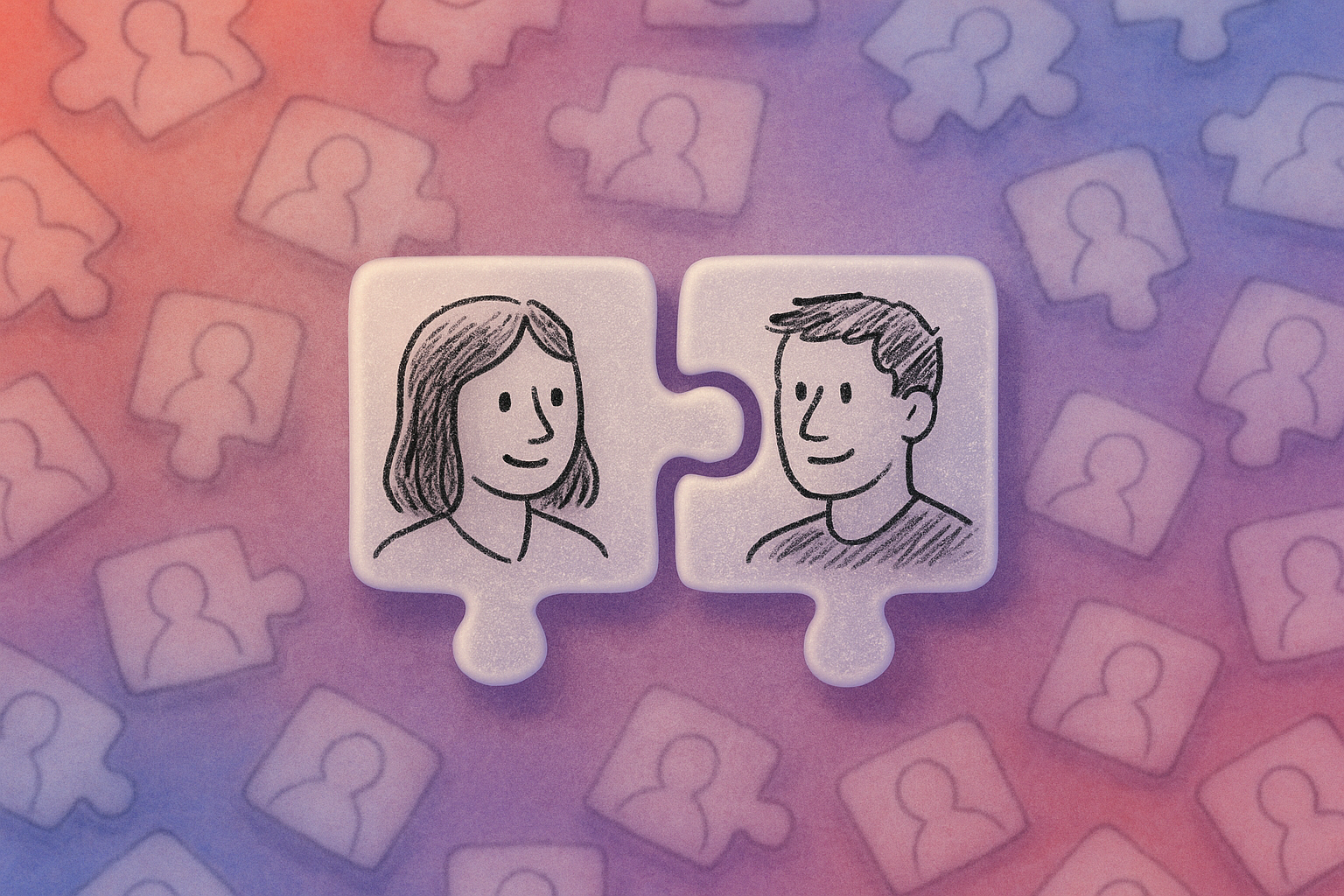
Design instead for the moment when two members realize they're working on the same thing. Structured introductions early in the event give everyone a quick picture of who's in the room. Breakout pairs or small groups during the session create the smaller, more intimate moments where real connection actually forms. The main stage energy gets people in and engaged. The smaller group is where the relationship starts.
Bri teaches that closing structure matters as much as opening structure. End with a specific recap, "we covered X, Y, and Z", followed by one named takeaway from a specific member: "I want to highlight what [Name] shared, because that's exactly the kind of insight this community exists to create." Then give everyone one tiny action to do before the next event. One thing. Not a homework list.
The right action takes less than five minutes and keeps members in the conversation, not on a to-do list. "Post one thing you're taking away in [channel] before next week." "Send a DM to someone you connected with tonight." "Drop a question in the channel that came up for you during today's session." The goal is to take the energy from the live event and transition it into the actual digital community. That's where relationships continue between events, and the closing action is the bridge.
The closing moment is the last thing they'll remember when they decide whether to come back.
One rule Bri treats as non-negotiable: end one minute early. Always. Members who've been burned by events that run over start protecting themselves by not committing to the next one. Ending early signals respect for their time, and it becomes something members mention: "they always end on time."
The post-event window
The most important 24 hours for building return attendance isn't the event itself. It's the 24 hours after.
Three actions in that window:
Post the key takeaways to the community. A short summary of the main ideas, posted within a few hours of ending. This serves members who couldn't attend and gives attendees something concrete to share or reference. It also creates a searchable record of the event's value that new members can find later.
Introduce two people who should talk. Based on what you heard in the session, find two members working on the same problem or with complementary expertise. Send a DM to each: "I want you to meet [Name], you both mentioned [specific thing] today, you should continue that conversation." This is the highest-value post-event action available and it takes three minutes.
Announce the next event. Within 24 hours of the current event ending, give members something to put on their calendar. Momentum is highest immediately after a good event. Members who just had a positive experience are primed to commit to the next one. Let that window close and the commitment drops sharply.
The seasonal calendar that builds habits
One-off events build attendance. A predictable seasonal calendar builds habits.
Victoria Cumberbatch, community development consultant with nearly a decade of experience, teaches that the most durable event calendars are built around member emotional cycles rather than arbitrary topic schedules. January is goal-setting energy. Spring is momentum and execution. Summer is scattered attention. Fall is renewed focus. Winter is reflection.
An event calendar mapped to these cycles produces events that feel timely and necessary rather than arbitrary. The Q1 goal-setting workshop, the summer community-check-in, the Q4 accountability sprint, members know when they're coming and plan around them. That predictability is what turns attendance from a decision into a habit.
Victoria structures each quarter with one pillar event, a higher-stakes, more produced event you do once, two or three recurring rituals, and a monthly member spotlight or celebration. The pillar event gets most of the promotion energy. The recurring rituals build the behavioral loop. The spotlights ensure every member gets publicly recognized at least once per quarter. Together, these three elements create a calendar members can plan their professional development around.
FAQ
How long should community events be?
50-55 minutes for virtual events. Long enough to deliver real value and create connection, short enough that members can commit without rescheduling their day. End one minute early. Never run over.
How many events should I run per month?
One live event per month is enough if it's excellent and consistent. Consistency matters more than frequency. Members build attendance habits from reliable, well-promoted events. Not from a packed calendar that's hard to keep up with.
Should I record events and share them?
Yes, with one caveat: the recording shouldn't reduce the urgency of attending live. Frame it as a reference document, not a substitute. The live experience, the introductions, the side conversations, the moment when two members realize they should talk, doesn't exist in the recording. Make that clear when you share it.
Something like: "The recording is up. Great for reviewing the frameworks, but it won't capture the conversation that happened after the presentation or the connections people made. Those only happen live. Next event is [date]." One sentence that positions the recording as a summary and the live event as the real thing. Members who catch recordings consistently will still self-select for live attendance once they understand what they're actually missing.
How do I increase attendance when it's consistently low?
Check three things in order: promotion cadence (are you sending three touchpoints?), event relevance (is the topic tied to what members are actively working on right now?), and scheduling (does the time work for your members' lives?). One of these is almost always the problem. Survey recent attendees rather than guessing.
How do I handle silence or low energy in an event?
Prepare three specific questions to ask specific people if the room goes quiet. "Maria, you mentioned last month you were working on X, what happened?" Name-specific questions can't be ignored the way open questions to the whole group can. Have them ready before every event.
And don't panic when silence happens. A moment of quiet after a good question usually means people are thinking, not checked out. Experienced facilitators learn to sit in it rather than rush to fill it. You can even use it deliberately: call on someone directly, name them, ask them something specific. That's facilitation, not awkwardness. Members who get called on by name feel seen, not put on the spot, as long as you're asking about something they actually know about.