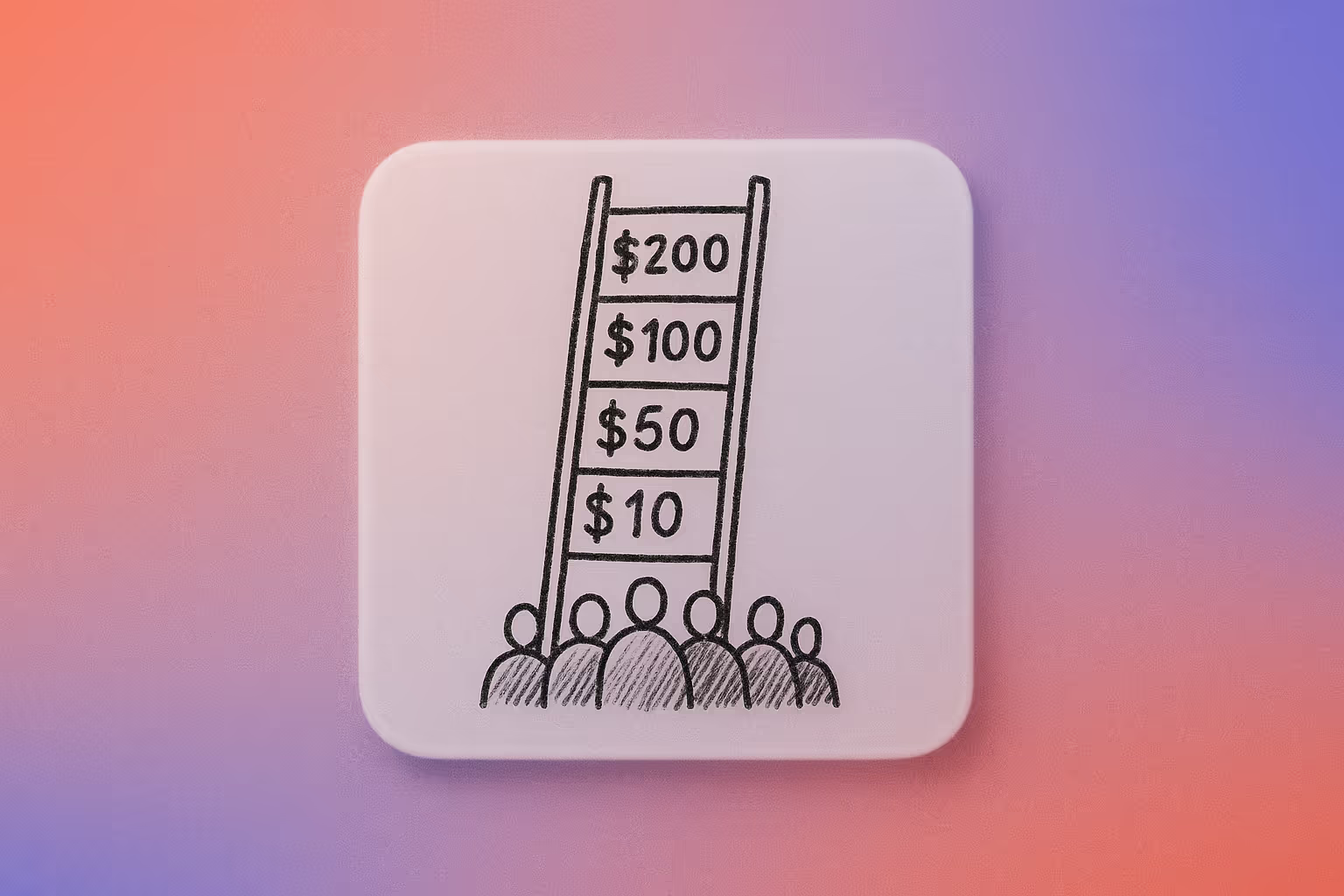
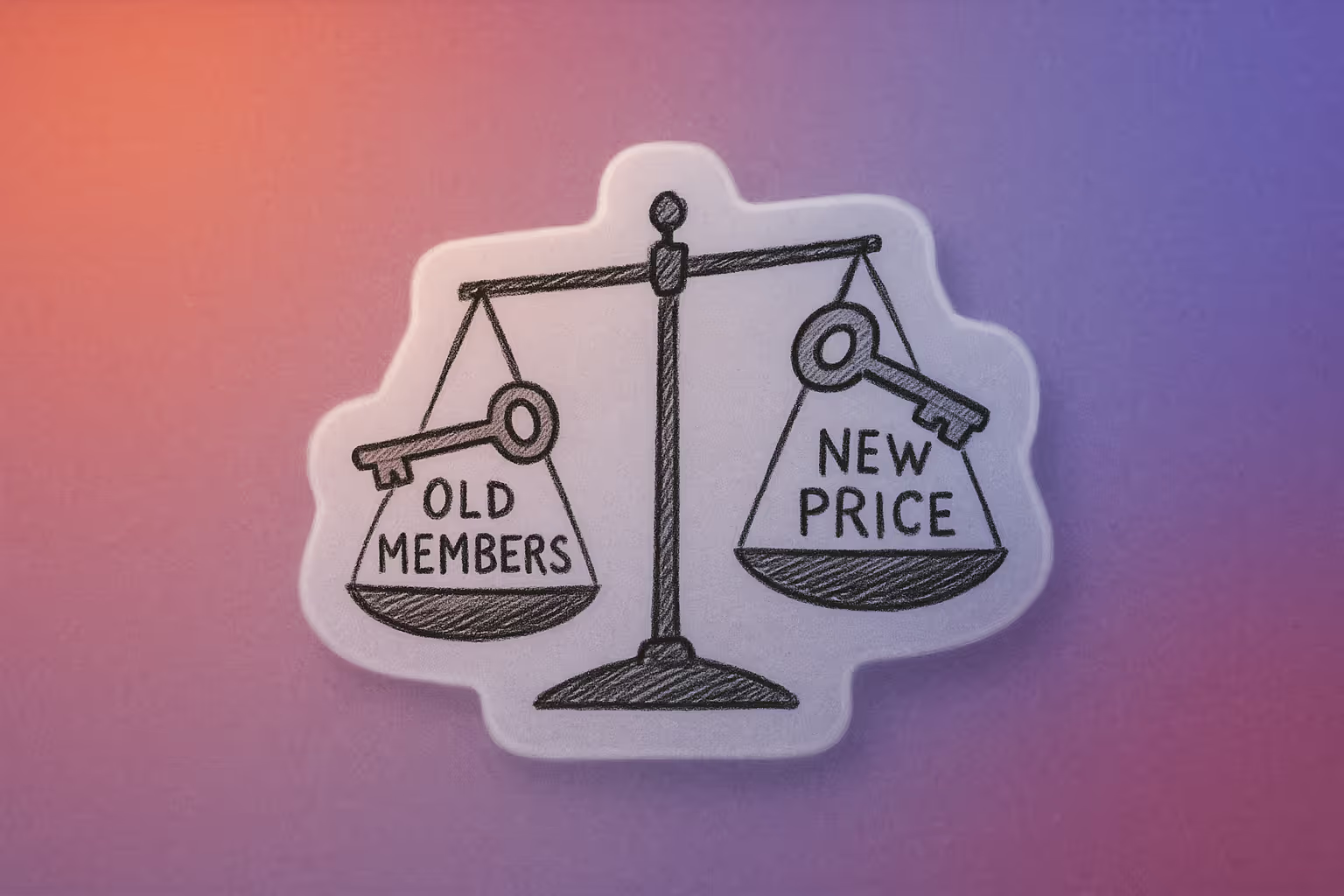
Keep legacy pricing for existing members (grandfathered pricing), announce the new price for everyone else, and stop overthinking it. That's the short version. The longer version is that raising your community membership price is one of the highest-leverage moves you can make, and the fear of losing members almost always outweighs the actual risk. Most community builders who raise their price lose a small percentage of their least-engaged members and gain higher revenue, better engagement, and a more sustainable business.
The pattern across communities on Heartbeat is consistent: builders who raise prices thoughtfully see a temporary dip in member count and a lasting increase in revenue and member quality. Here's how to do it right.
When to raise your price
There's no universal timeline, but there are clear signals. Lisa Princic, a Business Strategist & Membership Expert who's worked with hundreds of membership owners, teaches four pillars of sustainable pricing: profitable, scalable, enduring, and satisfying. If any one of those pillars is cracking, it's time to reconsider your price.
Profitable: Your revenue needs to exceed your expenses, including the value of your time. If you're six months in and not accounting for your own hours, you need to reconsider. Track your cost per member: how much time and money does each member actually require?
Scalable: Can you serve 10x your current membership at this price without 10x-ing your workload? If every new member means another hour of your personal time per week, the model breaks eventually.
Enduring: Will this price still make sense in two years? Memberships aren't courses. They potentially last for years. Price for any scenario: 50 members, 200 members, 500 members.
Satisfying: If you hate running your community because you're overdelivering for what you earn, the quality will suffer. Your satisfaction with the business model directly affects the quality of what members experience.
If you're failing on two or more of these pillars, you're probably underpriced.
Three signals you're ready
Beyond the four pillars, here are three specific signals I've seen across thousands of communities:
Signal 1: You're consistently overdelivering. You're doing weekly live calls, personal feedback, curated introductions, and course content for $19/month. Your members love it. You're exhausted. The effort-to-revenue ratio is unsustainable. This is the most common signal, and it's the easiest to ignore because the community feels successful on the surface.
Signal 2: Your best members are asking for more. They want deeper access, structured programs, one-on-one time, advanced content. They've gotten value from what you offer and they want to go further. This is your market telling you there's demand for a premium experience.
Signal 3: You have proof that it works. Testimonials, case studies, member results, revenue milestones. When you can point to specific outcomes your community has generated, you have the evidence to justify a higher price. New members aren't paying based on a promise anymore. They're paying based on proof.
Ready to raise your price? Check the boxes:
□ You're consistently overdelivering relative to what you charge
□ Your best members are asking for more depth, access, or structure
□ You have testimonials, case studies, or revenue proof
If two or more are checked, you're already late.
Using legacy pricing
This is the simplest and most effective approach for raising community membership prices. Here's exactly how it works:
Step 1: Decide your new price. Work backward from your revenue goal using the reverse-engineering method from our pricing article. Don't raise by 10%. Raise to the price that reflects the value you actually deliver. For many community builders, that means doubling or more.
Step 2: Announce the change to existing members. Be direct. Explain what's changing, why, and when. Give 30 days notice minimum. The message is simple: "We're raising the price for new members. As a current member, your rate stays locked at what you're paying now." That's it.
Step 3: Lock in existing members at their current rate. Their subscription continues at the old price. This rewards loyalty, creates a retention incentive (leaving means losing the grandfathered/legacy rate), and removes the objection of "I didn't sign up for this." This is where Heartbeat's payment tools do the work for you: when you update the price on a tier, Heartbeat prompts you to choose whether existing members stay on their original rate or migrate to the new one. Pick legacy pricing, move on.
Step 4: All new members pay the new price. From day one, new members only see the new price on the sign up page. They never knew the old one existed. This is important: new members evaluate the price against the value, not against what someone else is paying.
The key insight: the people most likely to leave when you raise prices are your least-engaged members. They're the ones who were on the fence about the value even at the lower price. Losing them isn't a disaster. It's a correction. The members who stay are the ones who see the value, and they'll be more engaged because the price adjustment signals that you take the community seriously.
Adding value with the raise
Some community builders prefer to pair a price increase with a visible improvement. This isn't strictly necessary (if you're already underpriced, the value already exceeds the price), but it can smooth the transition.
Options that work well:
Launch a new program or course. If you've been thinking about adding a structured cohort, a workshop series, or a course to your community, timing it with a price increase creates a natural justification. "We're adding X, and the price is going up to reflect the expanded offering." In Heartbeat, the cohort runs inside your existing community: same space, new access group, course content dripped on a schedule, and live events and sessions embedded directly into the course. Neither Circle nor Skool support live sessions embedded inside a course. For most members, this is what makes the premium tier feel structurally different from the base membership, not just more content at a higher price.
Restructure the experience. Move from a loose, always-on community to a more structured monthly rhythm: a live workshop, a Q&A session, a resource drop, and async discussion. The content might be similar to what you were already doing, but the packaging signals intentionality and value.
Add direct access. Office hours, hot seat sessions, or a monthly group coaching call. Direct access is one of the highest-value additions you can make, and it's particularly effective for justifying a move from low-ticket ($15-$97) to mid-ticket ($100-$300).
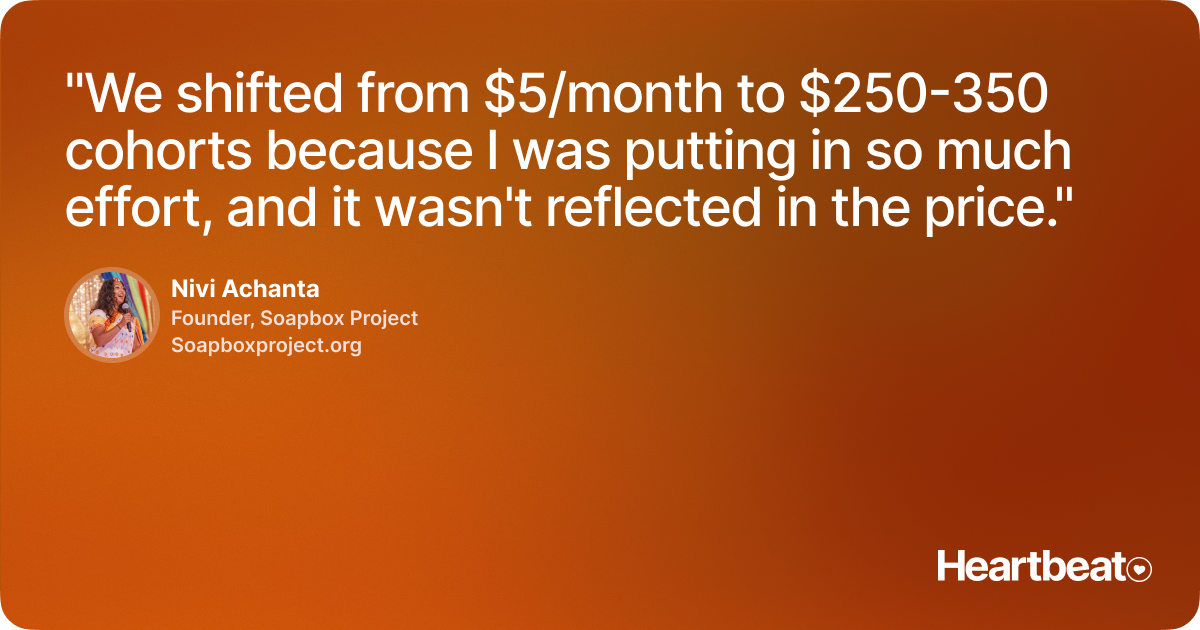
But I want to be clear: you don't need to add value to justify raising a price that was too low to begin with. Nivi Achanta, who raised her community from $5/month to $250-$350 cohort pricing, didn't add anything new. She was already delivering far more than the price reflected. The raise was about aligning the price to the value that already existed.
How to communicate the change
The announcement matters. Here's what works:
One approach that performs well: post the announcement directly inside your community and toggle "send as email" in the composer. The post hits every member's inbox AND opens a comment thread inside the community. What tends to happen is not what you'd expect. Members don't revolt. They respond. You get replies like "makes total sense, excited to see where this goes" and "you've given us so much value, this is well deserved." Small, direct-relationship communities are nothing like Netflix raising prices on 200 million strangers. Your members know you. The comment section turns into a public vote of confidence that does more selling for your next price tier than any announcement email could.
Be direct. Don't bury the price change in the post. Lead with it. "Starting [date], the monthly membership price is going up from $X to $Y for new members."
Explain the why. One or two sentences. "We've added [X], the community has grown to [Y members], and the price needs to reflect the value." Or: "The community offers a lot more than it did at launch, and the price is catching up to the experience."
Reassure existing members immediately. "Your rate stays the same. This only affects new members going forward." This sentence should appear in the first paragraph, not buried at the bottom. I'd even recommend bolding it in the email so it's instantly visible.
Give a deadline for fence-sitters. If you want to give people a window to lock in the old price, announce it 2-4 weeks in advance. "If you've been thinking about joining, the current price is available until [date]." This creates urgency without being manipulative because the deadline is real.
Don't apologize. You're running a business, not asking for forgiveness. The tone should be confident and matter-of-fact. If you've been delivering real value, the price increase is earned.
What actually happens
Based on what I've seen across Heartbeat communities, here's the typical outcome:
Immediate (first 30 days): A small percentage of members cancel. Usually your least-engaged members. This feels scary but is actually healthy. Your MRR might dip slightly.
Short-term (30-90 days): New members join at the higher price without hesitation. They never saw the old price, so the new price IS the price. Your revenue starts recovering and then exceeding the old baseline.
Medium-term (3-6 months): Your overall revenue is higher, your member quality is higher, and your engagement is up because you're no longer serving members who weren't getting value. The community feels more alive.
Long-term (6-12 months): You wonder why you didn't do it sooner. This is the universal sentiment from every community builder I've talked to who raised their price.
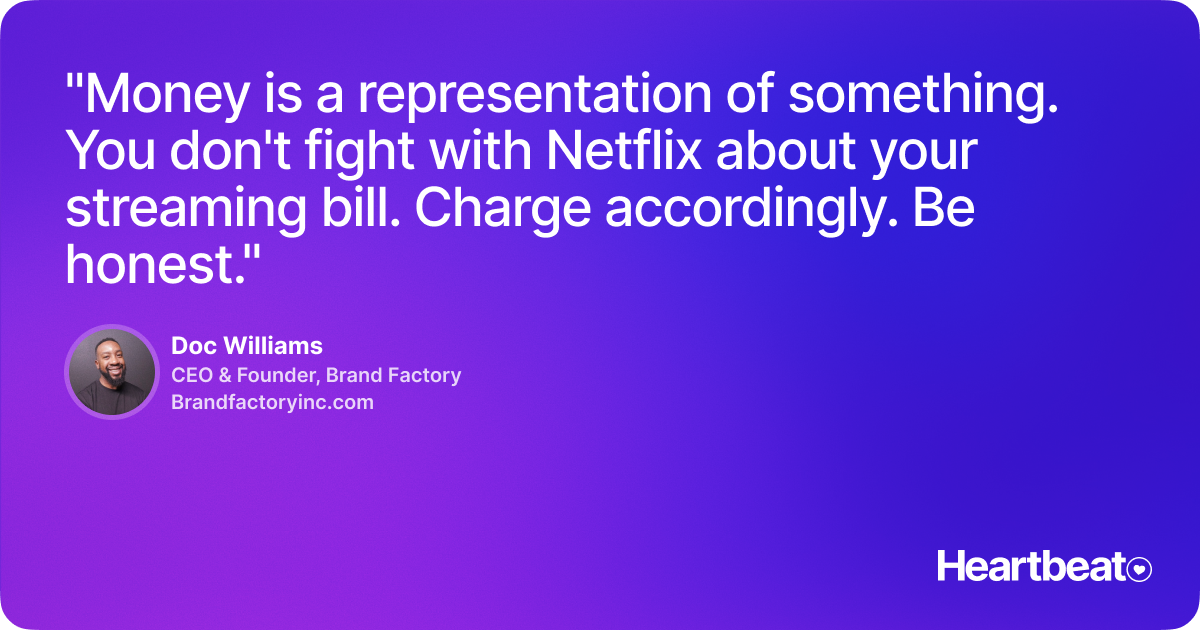
Doc Williams, CEO & Founder of Brand Factory who teaches pricing at our Heartbeat tutorials, shared data from a community builder who tested $9/month, $29/month, and an annual plan. The $9 tier performed worst across every metric: signups, engagement, and retention. Higher pricing got a better response. The members who self-selected at the higher price were more committed from day one.
FAQ
How much should I raise my price?
Don't raise by a modest 10-15%. If your price is wrong, it's probably wrong by 2-3x, not 10%. Work backward from your revenue goal and your delivery model. If the math says $97 and you're charging $29, go to $97. The incremental approach (raise by $5 every quarter) prolongs the pain without solving the problem.
What if a lot of members cancel after the increase?
First: you grandfathered them, so the increase doesn't affect current members directly. If members cancel anyway (because the community isn't working for them), that was going to happen regardless of pricing. If you see a mass exodus after communicating the change, it might indicate a value perception issue. Survey the people who leave. A cancellation flow with a short exit survey in Heartbeat turns every churn event into data you can act on, and gives you one last chance to offer a discount or a tier switch before they're gone.
Should I raise prices annually?
Consider it. Your delivery improves over time, your content library grows, your community becomes more valuable. An annual review of pricing (whether or not you change it) keeps the business healthy. Many successful communities announce small annual increases as a standard practice.
Is there ever a bad time to raise prices?
If you're in the middle of a product issue (broken features, downtime, major bugs), fix those first. If you just had a wave of cancellations for unrelated reasons, wait until the community stabilizes. Otherwise, the best time is now. There will never be a perfect moment.
How do I handle members who ask for a discount after the increase?
If they're existing members, they already have the grandfathered rate. If they're new members asking for the old price, be kind but firm. You can offer a trial period or a money-back guarantee, but don't discount the new price. Discounting immediately after raising signals that the new price isn't real.