Playbooks for community builders
Practical guides on launching, growing, and monetizing a community people pay to belong to.

How to Build a Community Business Model
A community business model is a five-sentence story. Here's Tatiana Figueiredo's framework, with the full tutorial.
How to Build a Community Business Model
A community business model is a five-sentence story. Here's Tatiana Figueiredo's framework, with the full tutorial.

How niche should my community be?
The tighter your niche, the easier growth and pricing get. Here's how specific to actually go.

Is my community ready to launch?
You launch before you feel ready. Readiness is whether a new member gets value in the first hour.

Make money from a small community
A small community can out-earn a big one. The fix is usually your price and your niche, not more members.

Why isn't my community growing?
Most stalled communities need a diagnosis before tactics. Here are the four questions I ask first.

Why won't my community engage?
Members don't post because posting isn't tied to their goal. Here's how to design engagement that sticks.
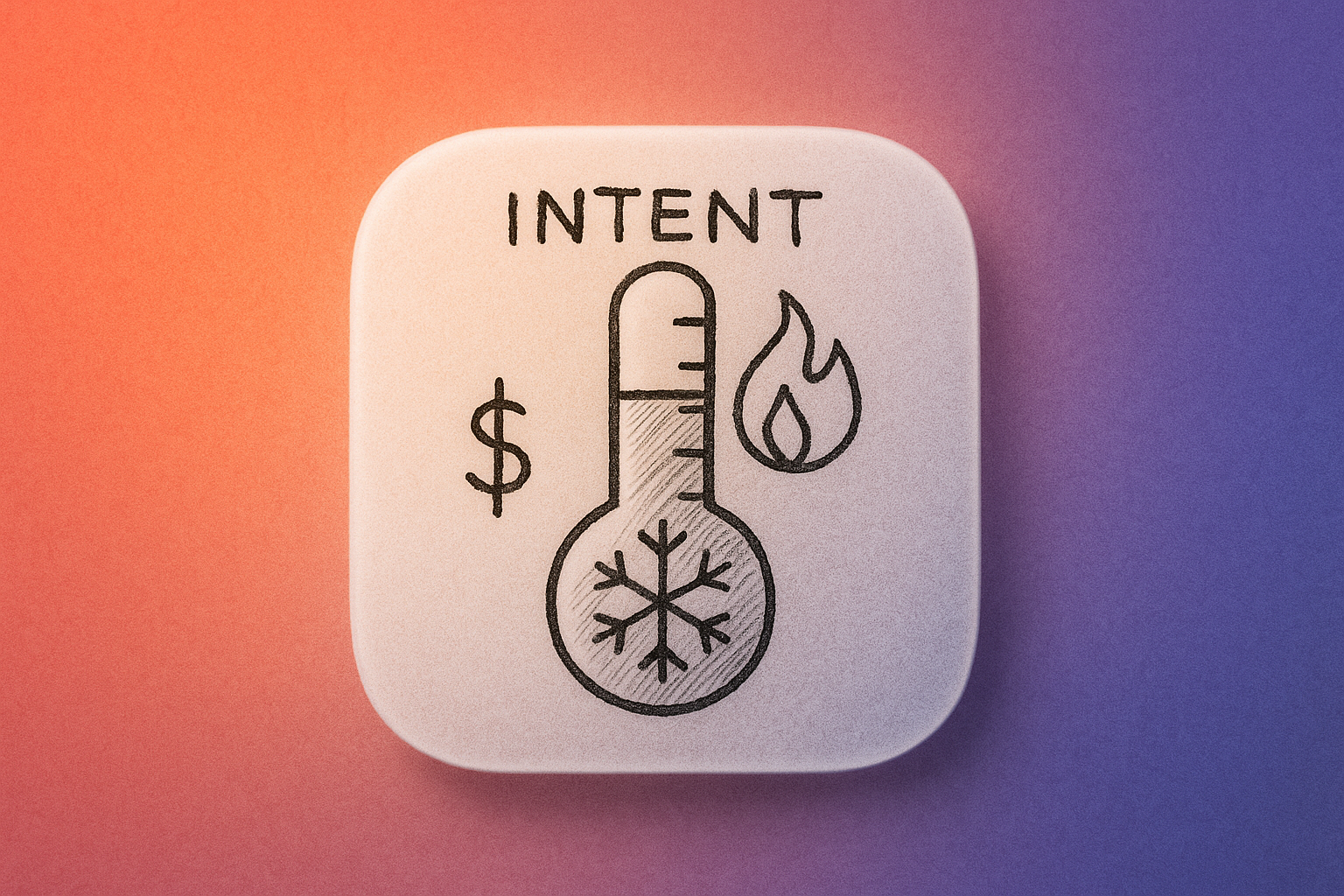
Why won't my waitlist convert?
A free waitlist never tests willingness to pay. The fix is a paid list and a warm-up before launch.
How to build a community business
Price the transformation, not the access. Here's how to build a community business model with strong retention.

How to build a community sales page
A landing page converts when the first sentence makes someone say that's exactly my problem. Here's how.
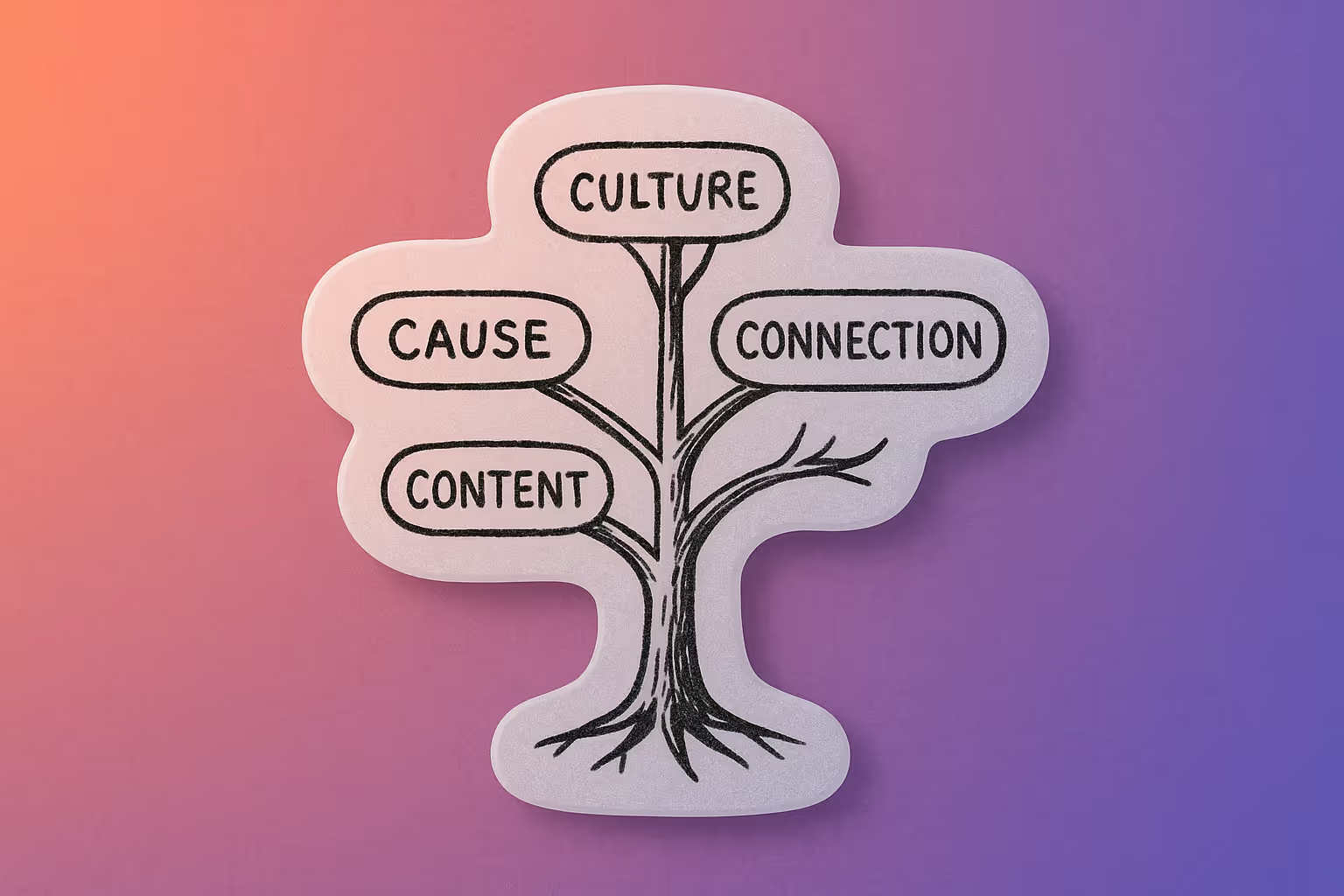
How to build a sticky community
Members don't leave bad communities. They leave when they stop making progress. Here's how to make progress happen.

How to create community rituals
Pick one ritual and run it for 60 days before adding anything else. Here's how to design the right one.
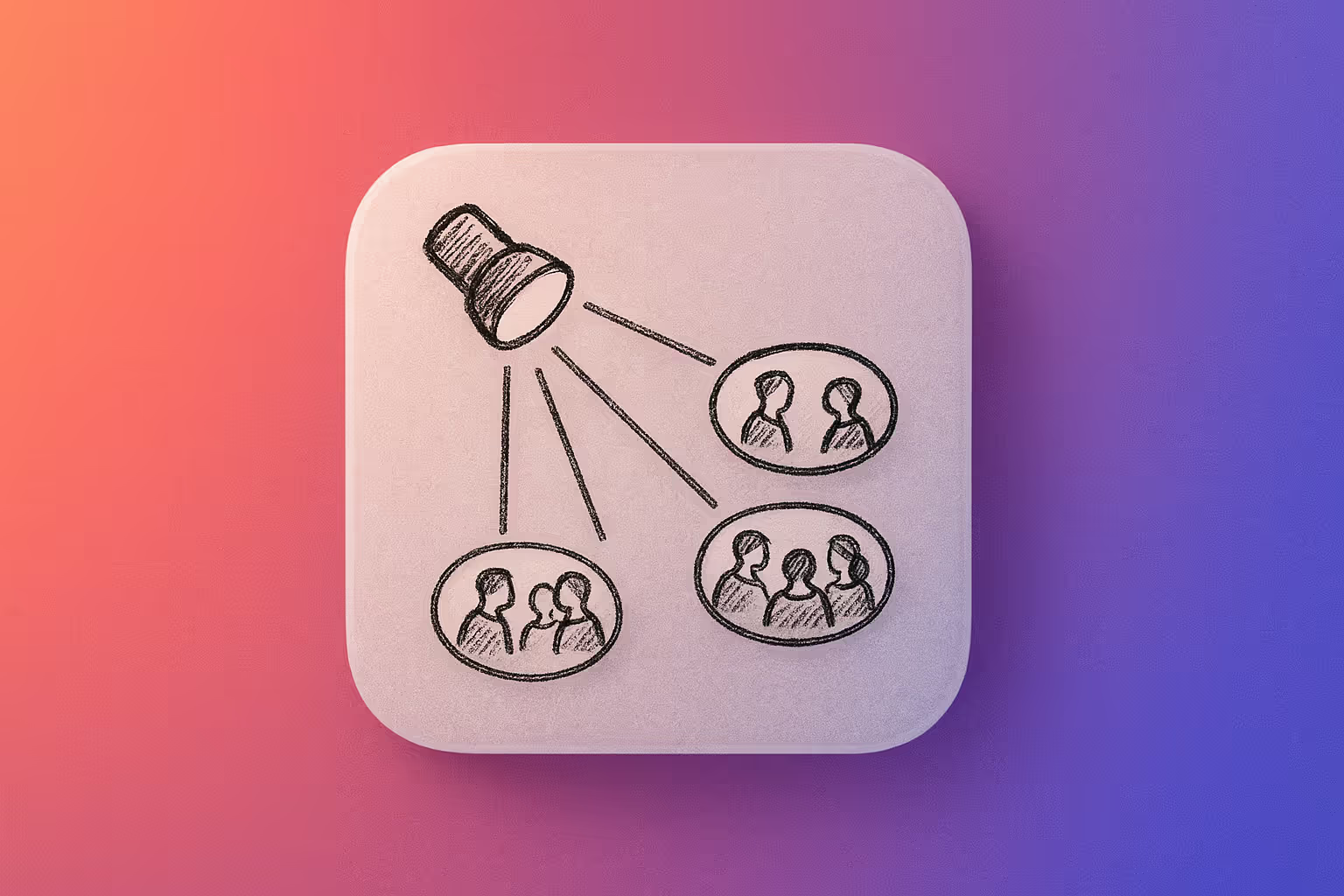
How to double community engagement
Your engagement problem is a direction problem. Flip from founder-to-member to member-to-member and it doubles.
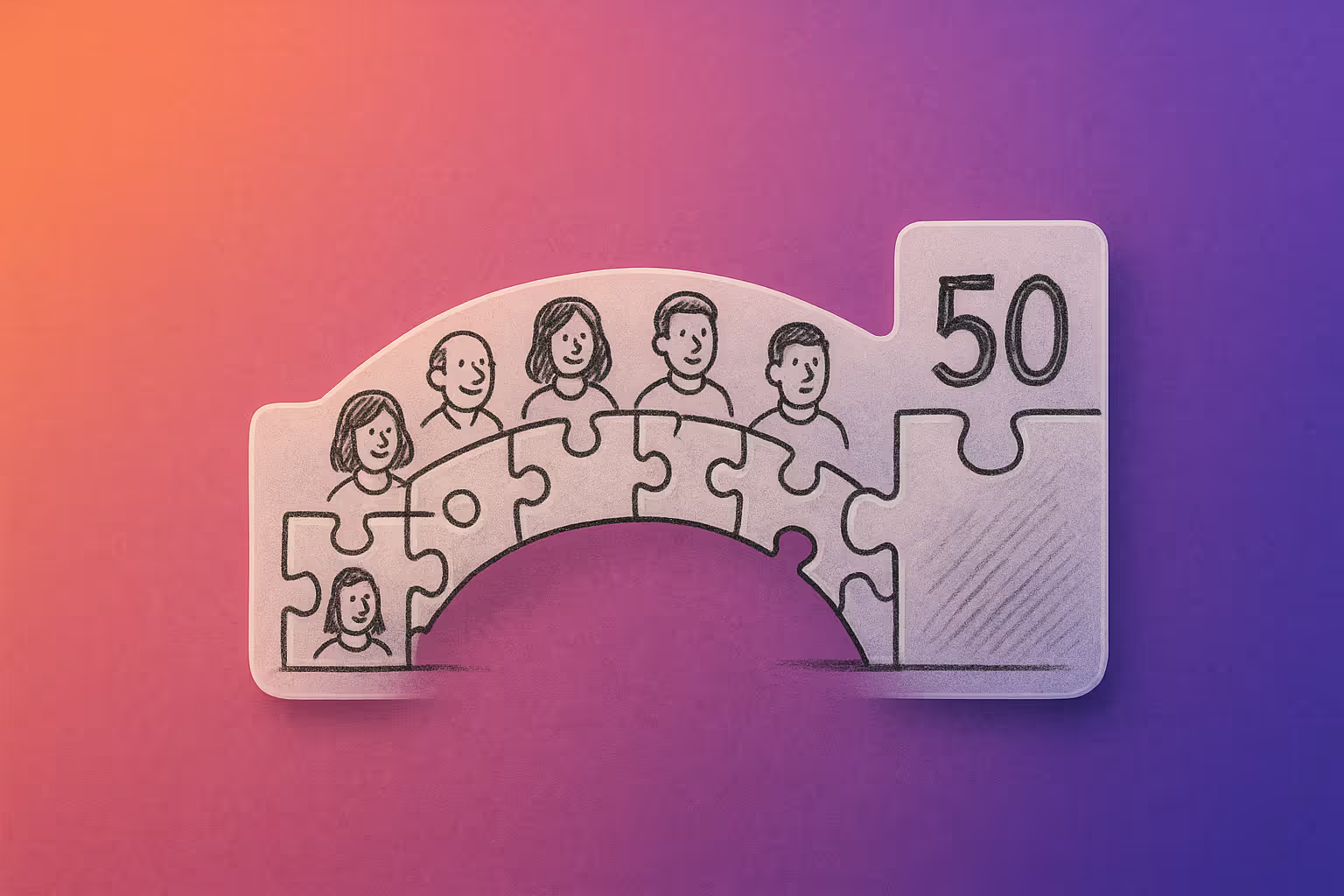
How to get your first 50 members
The first 50 paying members come from direct conversations, not marketing. Here's the exact outreach playbook.

How to grow without paid ads
Member transformations are the asset every growth channel runs on. Here's how to collect and deploy them.

How to launch a paid community
You're ready to launch when you have one committed member and a date for a live event. Here's the 4-week plan.
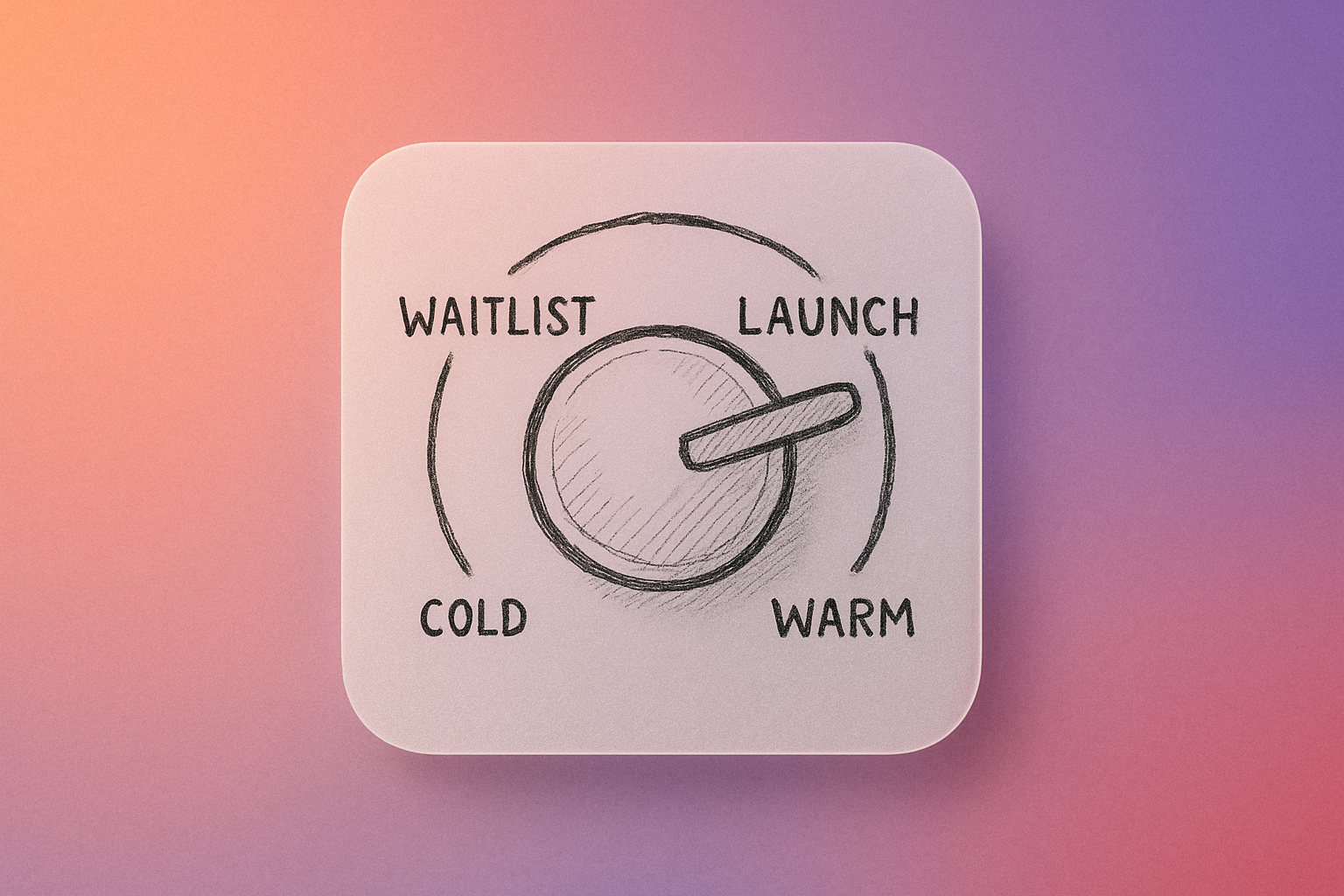
How to launch with a paid waitlist
A paid waitlist solves the cold-start problem. Collect founding member payments, grow through referrals, then launch.

How to onboard new members
Onboarding has one job: reduce time-to-value. Connection wins retention, but you have to deliver value first.

How to reduce community churn
Churn is decided in week 2, not at renewal. Here's how to catch the early warning signs before members cancel.

How to run events members return for
The event metric that predicts return attendance: did attendees meet someone they want to talk to again?

Email marketing for community growth
Email makes non-members feel like they're missing something specific. Here's how to use it to fill your community.

Why most communities fail
Communities fail because founders measure activity instead of outcomes. Here's how to tell the difference.

Heartbeat vs. Skool
Skool makes setup easy. It makes scaling impossible.

How to design pricing tiers
Start with one tier, not three. How to design community pricing tiers that scale with real member demand.
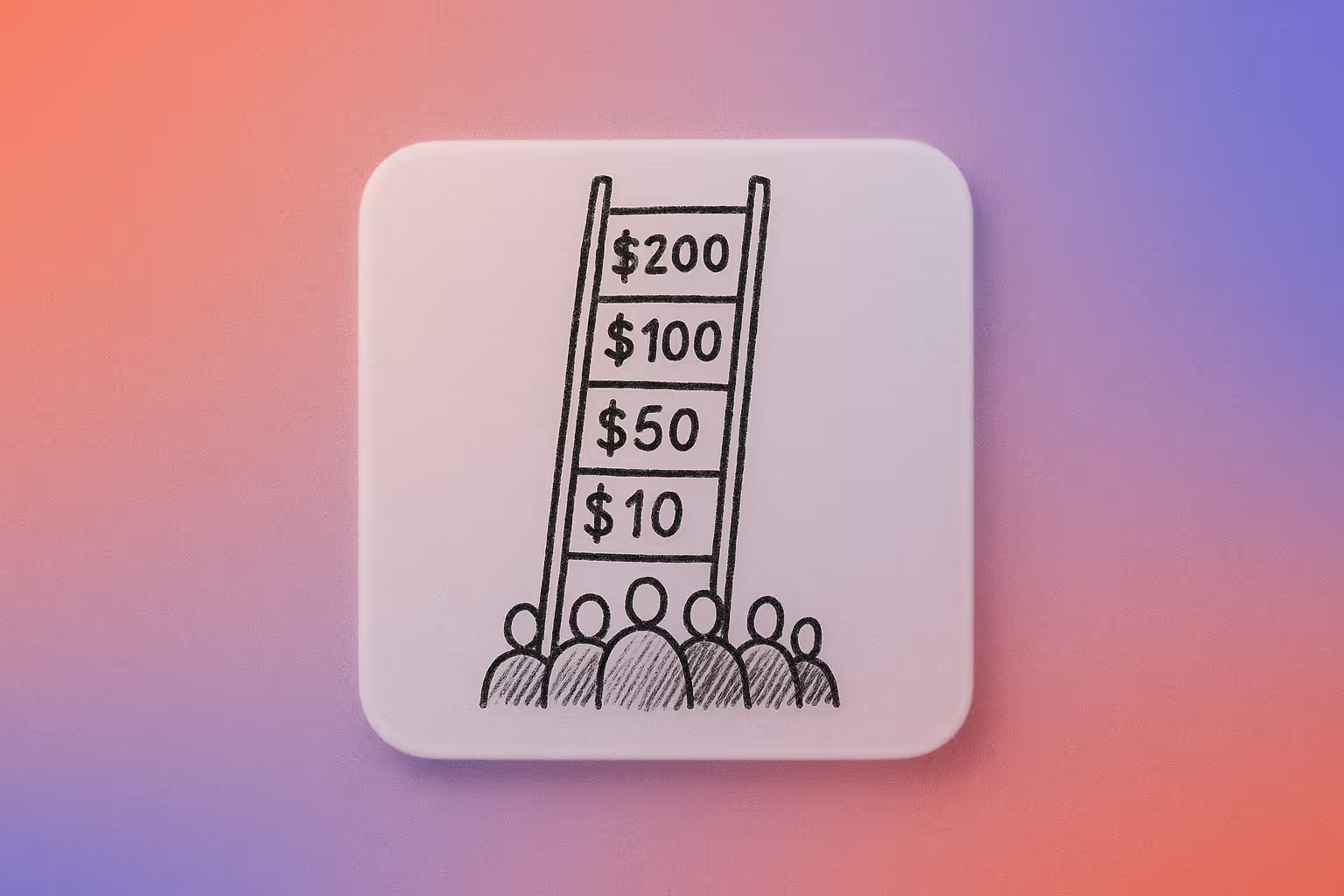
How to move up to high-ticket pricing
The value-ladder framework for moving from low-ticket to high-ticket community pricing without losing your base.
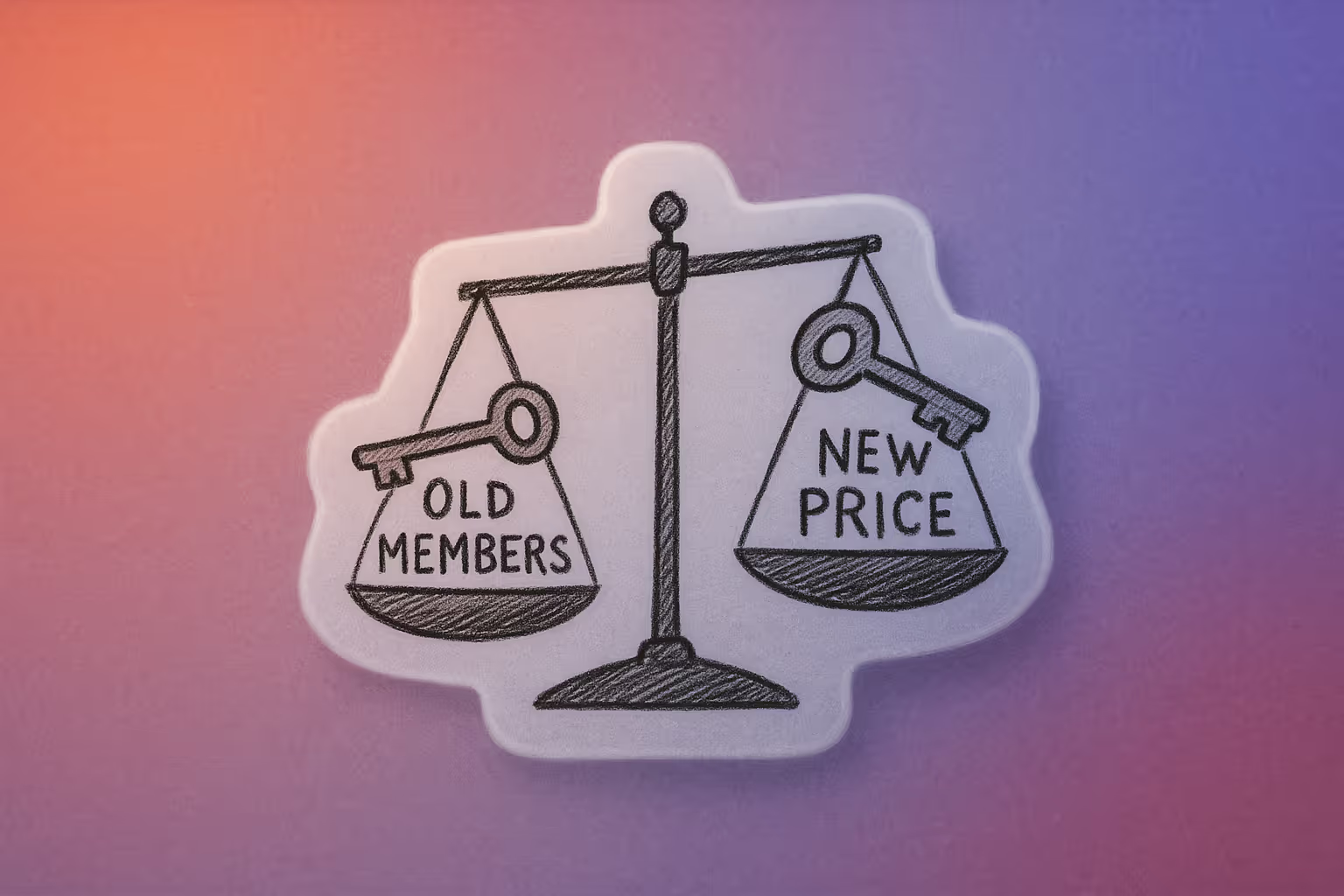
How to raise prices without churn
Legacy pricing for existing members, announce the new price for new signups, and stop overthinking the rest.

Pricing psychology for communities
Most community builders underprice because of psychology, not math. Here's how to fix the mental model.

How to price your community membership
Why higher-priced communities attract better members, drive engagement, and grow faster than cheap alternatives.

Should you offer a free tier in your community?
Should you offer a free community tier? Why paid communities outperform freemium on growth, engagement, and retention.
Why charging more for your community actually gets more members
Why higher-priced communities attract better members, drive engagement, and grow faster than cheap alternatives.

Heartbeat vs. Discord
Compare Heartbeat and Discord to find the best platform for building, monetizing, and scaling your online community.

Heartbeat vs. Facebook Groups
Discover how Heartbeat and Facebook Groups compare on features, control, and community growth.

Heartbeat vs. Kajabi
At $179/mo, Kajabi can't charge for events, run cancellation flows, or offer monthly and annual on the same product.

Heartbeat vs. Mighty Networks
Heartbeat treats payments as a first-class feature. Mighty Networks assumes you'll get every pricing decision right on day one.

Heartbeat vs. Thinkific
Compare Heartbeat and Thinkific to discover which platform offers the best value for communities and creators.
Heartbeat vs. Circle
Circle looks polished. Its monetization tools break when your business tries to grow. Here's an honest comparison.
No playbooks match. Try a different topic or search.