Heartbeat is for everyone else
Musicians, churches, hobby clubs, nonprofits, alumni networks, and more
Updated
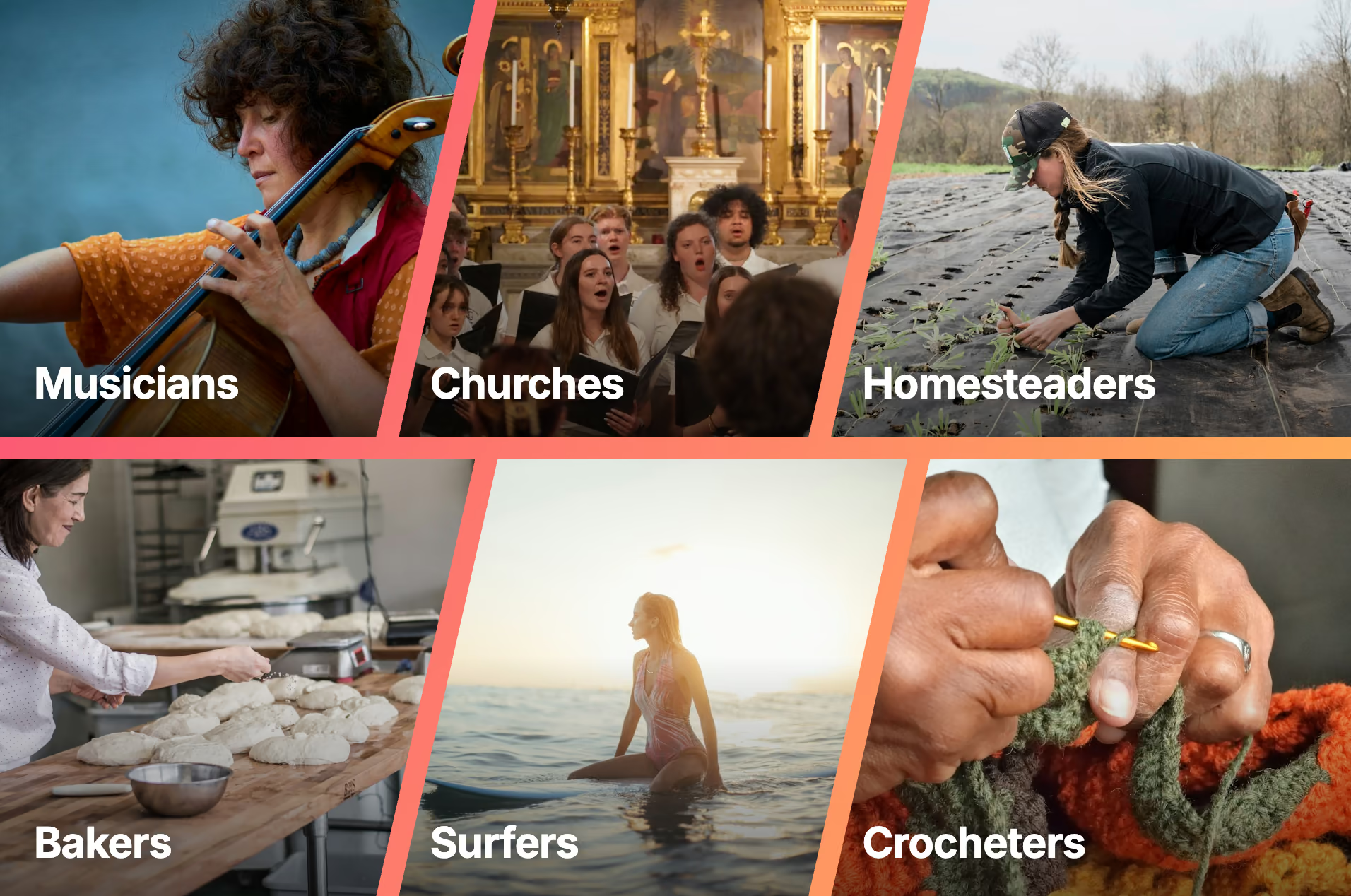
Our audience guides cover coaches, consultants, trainers and creators, because that's where some paid communities start. But there are over 37,000 communities on Heartbeat, and plenty of them look nothing like a coaching business.
Together they have more than 750,000 members in over 50 countries, and they've hosted more than 250,000 events. Creators have been paid out more than $24 million through Heartbeat.
Here are a dozen diverse examples. What they have in common is a group of people who care about the same thing, and someone willing to design and operate a place for them to connect and deepen their engagement with that thing.
Makers and hobbyists
Crocheters
One crochet pattern shop on Heartbeat sells plushie patterns, and more than 4,000 crocheters belong to its community. A crochet community is where people post what they made and ask for help completing or adapting patterns to various materials and aims.
On Heartbeat, the product and the people all live in one space: patterns and tutorials in courses, questions in discussions, and a vibrant feed connecting it all, plus powerful workflows and pricing capabilities for administrators.
Musicians
Over 30 music communities pay for Heartbeat, from guitar and cello groups to singers and drummers. One academy teaches electronic music production, and another collective supports working drummers.
Music is learned by playing, so music communities make good use of live events for lessons, jam sessions and feedback calls, with recordings for anyone who missed one.
Sourdough bakers
A bread and pizza school in Australia runs its learning hub on Heartbeat, and it has more than 600 members.
It's a good example of an in-person business adding an online home: the class teaches you how to bake your first loaf, and the community is where people stay connected and ask questions afterward, as they progress on their baking journey.
Homesteaders
An academy for off-grid living and preparedness has more than 1,000 members on Heartbeat, and a worm-farming community has more than 2,000 members learning to raise worms for castings and compost. Small farms and gardening groups run on Heartbeat, too.
These are skills people learn over years, not in a weekend, so in-depth courses covering the fundamentals and a community for more immediate questions both have a place.
D&D groups
A local D&D club runs its tabletop community on Heartbeat, on its own web address with a landing page for new players. It's one of many gaming communities on the platform.
Game nights can be events members RSVP to, and campaign notes, character sheets and house rules can live in Resources (with fully configurable access permissions) instead of a group chat that scrolls away.
Surfers
One surf school teaches noseriding to women surfers through a signature program. Its Heartbeat community has more than 100 members and a dozen offers for sale.
A sports community can mix video lessons, live coaching calls and one-off programs, and Heartbeat's pricing flexibility lets one community sell all of these options, so each member can build the program that's best for them.
Groups and causes
Churches and ministries
Faith and spirituality is one of the largest groups on Heartbeat, with over 170 paying communities. One trains worship vocalists, and a Bible translation organization runs a prayer community with more than 750 members.
A ministry can use private groups for small groups and teams, events for services and studies, and a quiet shared space that's completely free of ads and social media algorithms.
Nonprofits
70+ nonprofit and civic communities pay for Heartbeat. A dog rescue has more than 600 members in its community, and another nonprofit helps more than 850 immigrants build their careers in Canada.
For a nonprofit, a community keeps supporters close between campaigns, and automated workflows welcome new people without adding work for a small team.
Expats
An expat community in Rome helps newcomers find housing, friends and events in Italy, and more than 300 members use it on Heartbeat. Travel and lifestyle communities make up dozens of paying communities on the platform.
Expat groups are equal parts advice and meetups, so discussions handle the questions and events handle the in-person part.
Alumni networks
A Catholic university runs its alumni community on Heartbeat, a place for graduates to stay connected to each other and to the school.
Alumni groups often start free and add paid tiers or events later, and Heartbeat supports both on every plan.
Money and professions
Real estate agents
20+ real estate communities pay for Heartbeat, including agent groups, landlord networks and house flippers. One realtor group has more than 200 members on its own domain.
A brokerage or agent network can use Heartbeat for training, deal talk and team announcements, all running on a custom domain so it feels like part of the brokerage.
Investors
Dozens of finance and investing communities pay for Heartbeat, from side-hustle challenges to crypto classes. One is run by a Certified Financial Planner and author of two investing books, who uses it to teach financial literacy.
Money is a loaded topic, and communities need trust and a place to ask questions without judgment, which is hard to find in public platforms. A private, paid community gives members both.
Don't see yourself here? Most Heartbeat communities didn't fit a category when they started, either. If you have people who care about the same thing, you can build a home for them.
Or read a full guide: personal trainers, influencers, health coaches, life coaches, consultants.